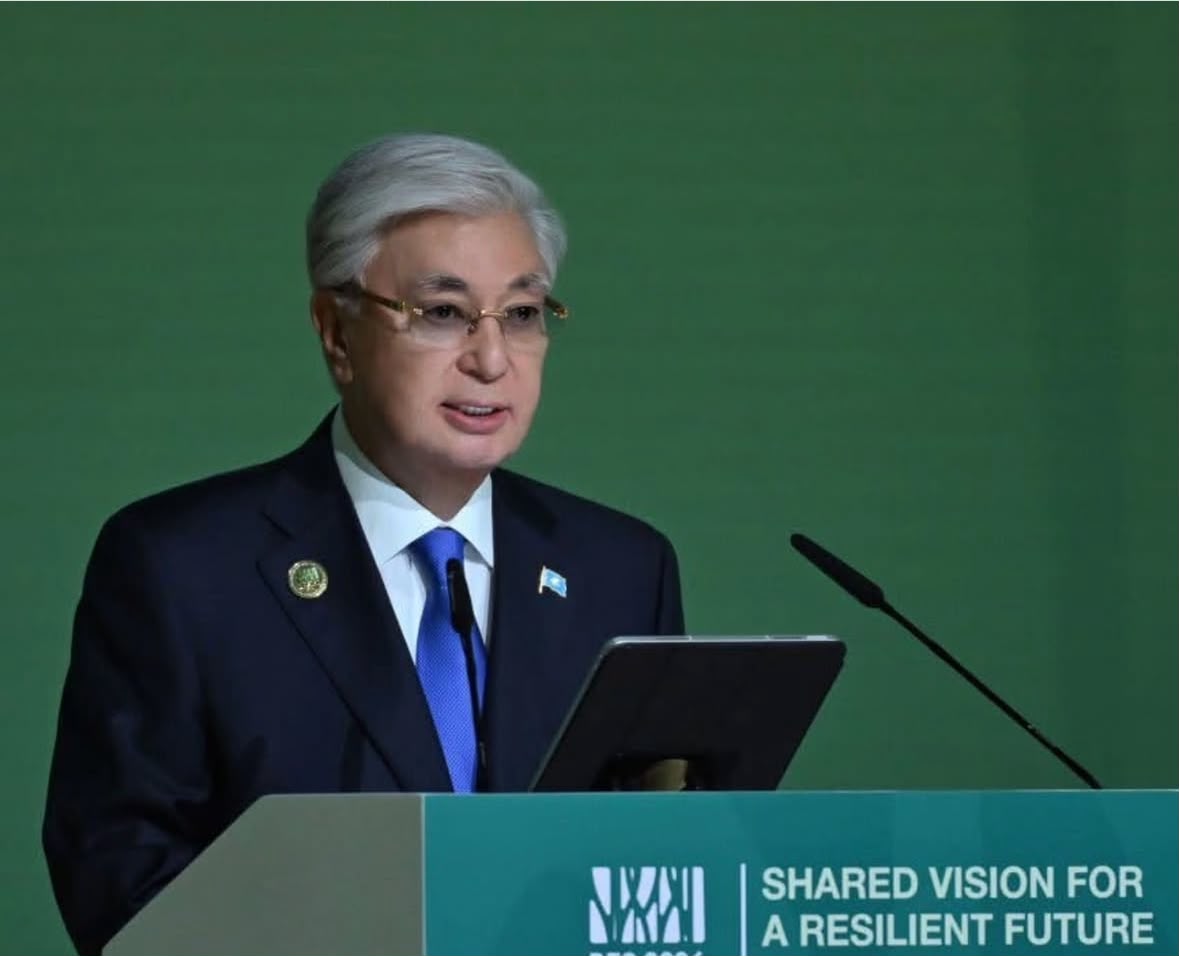
The Regional Environmental Summit – 2026 was held in Astana with the participation of the Head of State, Kassym-Jomart Tokayev. The Summit focused on discussing current issues on the regional and global environmental agenda 

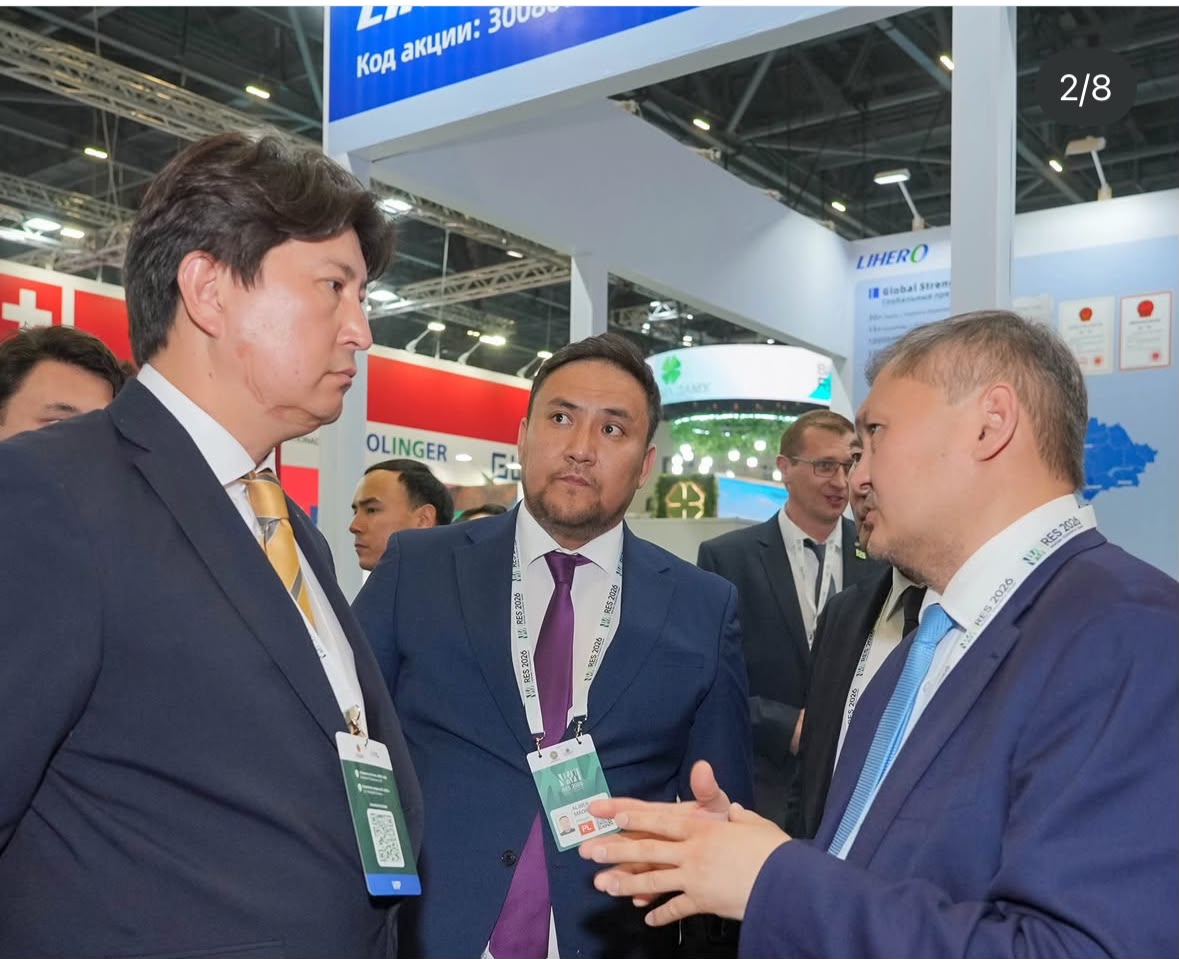
As part of the international RES 2026 EXPO, eight leading higher education institutions of Kazakhstan presented their scientific developments and innovative projects. The exhibition highlighted priority areas such as green energy, efficient management of natural resources, and sustainable development. The participation of the universities demonstrated the high level of Kazakhstan’s scientific potential, as well as the readiness of the academic community to address contemporary environmental challenges and contribute to shaping the region’s new technological agenda
In his speech, the President particularly emphasized that environmental issues are not limited solely to climate-related problems. They are directly connected with people’s quality of life, clean air, water security, sustainable food systems, and the well-being of future generations.
This position also serves as an important guideline for the contemporary scientific community


During the panel session of the Summit, Sayanat Nurbek, Minister of Science and Higher Education of the Republic of Kazakhstan, noted that the development of green technologies and a sustainable economy is directly linked to building a strong scientific foundation and training a new generation of specialists. He emphasized that the higher education system is being modernized in accordance with the needs of the economy, while such areas as artificial intelligence, engineering, and climate technologies are developing rapidly. Particular attention was paid to the introduction of industrial PhD programs and the expansion of international scientific cooperation. The Minister also emphasized that the integration of science, education, and industry is one of the key factors in enhancing the country’s competitiveness
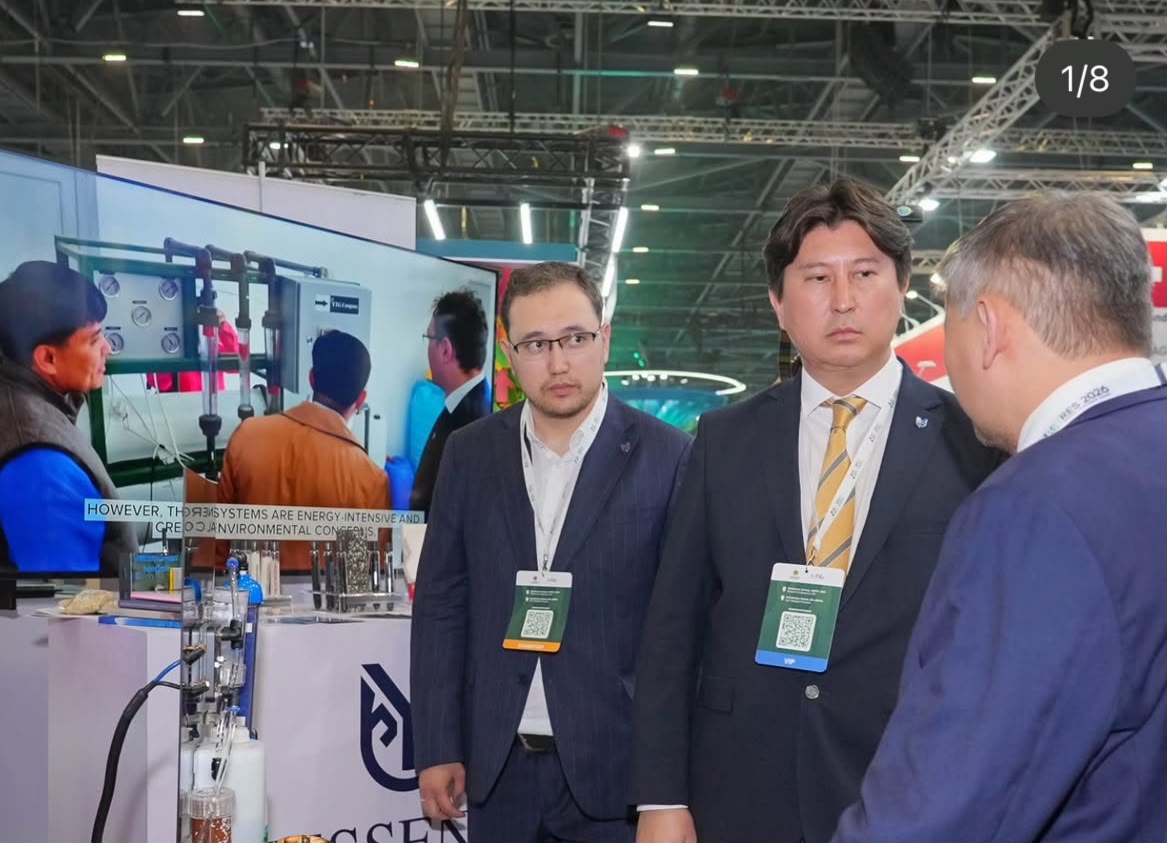
As part of the Summit, Yessenov University presented the results of its research activities and introduced participants to major projects aimed at ensuring the environmental sustainability of the Caspian Sea.
In particular, within the framework of a KZT 4 billion mega-grant project being implemented at the University, comprehensive scientific research is being conducted to enhance the efficiency and environmental sustainability of maritime operations in the Kazakhstan sector of the Caspian Sea. The project includes systematic work on the development of environmentally friendly fuels, ensuring safe navigation at sea, improving models for the prevention and response to oil spills, as well as advancing green hydrogen production technologies. This initiative will contribute to the effective use of the region’s natural and climatic potential, accelerate decarbonization processes, and strengthen cooperation between science and industry
Research in the field of hydrogen energy was also presented, including laboratory facilities for the production of high-purity hydrogen based on PEM electrolysis technology. In the future, this area may play an important role in ensuring the region’s energy independence.
Digital models developed by the University’s researchers enable the prediction of oil spill dispersion in marine areas, assessment of environmental risks, and improvement of emergency response systems. In addition, successful international scientific cooperation is being carried out in the study of sea-level changes and the transformation of coastal areas
At present, a new research infrastructure is being developed at the University, within which fundamental and applied research is being systematically conducted to address the environmental, energy, and technological challenges of the Caspian region.
Such summits serve as an important platform for strengthening mutual understanding and effective dialogue between countries. They bring together science and practice, creating real opportunities to enhance environmental security and promote sustainable development.
For Yessenov University, this area is not merely a scientific task, but a tangible contribution to the sustainable development of the region and the future of the country.